
(Photo by Spencerlee / Pexels)
In the last lesson you learned about the concept “human revolution” and what that looks like in your life. So, what is the key to consistently engaging in our human revolution? It comes down to having confidence that, originally, we are all Buddhas.
But don’t just take our word for it. Let’s dive into today’s lesson: the Ten Worlds.
We all experience various situations each day. At times, we respond in ways that highlight our wonderful character, other times, not so much. We might do or say something we regret or that causes us to suffer. We could spend hours caring for a friend in need but then that same day get into a heated argument with our partner and say mean, hurtful words.
Despite such shifts in how we deal with things, each of us is an infinitely precious and noble Buddha who possesses limitless reserves of courage, wisdom and compassion.
Having conviction in this is difficult, however. Nichiren Daishonin says:
We ordinary people can see neither our own eyelashes, which are so close, nor the heavens in the distance. Likewise, we do not see that the Buddha exists in our own hearts
“New Year’s Gosho,” The Writings of Nichiren Daishonin, vol. 1, p. 1137
So, let’s learn from the Buddhist concept of the mutual possession of the Ten Worlds, which offers insights into how we can not only believe in our Buddhahood but bring it forth anytime, anywhere.

Photo by Andrea Piacquadio / Pexels
A brief breakdown of these ten states of life or worlds:
The concept of the Ten Worlds teaches that we can experience at any moment any of the 10 states of life that are potentials within us, ranging from the lowest world of hell to the highest world of Buddhahood. We manifest any one of these Ten Worlds at each given moment, with the other nine remaining latent.
1. The World of Hell: Life itself is suffering, we feel devoid of freedom and are controlled by destructive impulses.
2. The World of Hunger: We are controlled by endless cravings and the suffering that comes from those desires going unfulfilled.
3. The World of Animality: Driven by instinct rather than reason, morality or wisdom, and reflected in threatening the weak and fearing the strong.
4. The World of Anger: Inclined to compare ourselves with others, preoccupied with surpassing others, harboring jealousy and resentment.
5. The World of Humanity: Able to control desires with reason, and act in harmony with others while aspiring to a higher life state.
6. The World of Heavenly Beings: Feeling short-lived joy in having various desires fulfilled. Think winning the lotto or eating a delicious desert.
7. The World of Learning: Dedicated to self-improvement based on seeking knowledge and experiences.
8. The World of Realization: Understanding Buddhist truths through one’s own direct perception and experience.
9. The World of Bodhisattvas: Fueled by compassion for others, understanding that self-perfection lies in working for the enlightenment of others.
10. The World of Buddhas: A state of perfect and absolute freedom in which one realizes the true nature of life. In this state, one transforms all difficulties into causes for further development.
Moving through these worlds is not linear or fixed. We jump around from one state of life to another throughout the day, moment to moment, based on various internal and external conditions.
Here, “mutual possession” of these ten states of life means that each world contains the potential for all ten. The point? Each state of life exists in the world of Buddhahood, and Buddhahood exists within each world.
This means that Buddhas remain ordinary people and will still experience various life states. It also means that we can tap our inner Buddhahood, no matter what state of life we’re in.
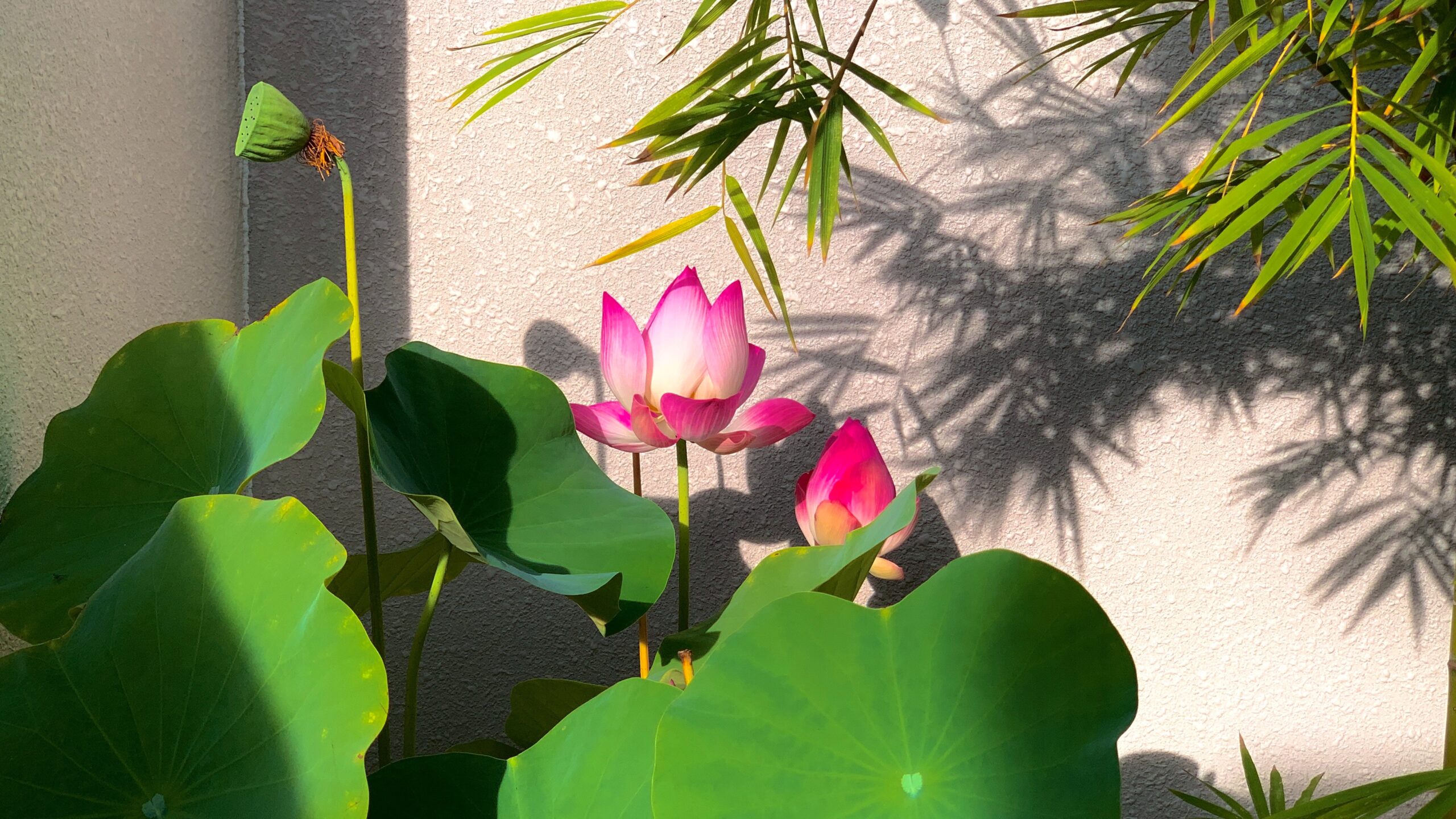
Photo by Lim Heng / Pexels
We can instantly access Buddhahood by chanting Nam-myoho-renge-kyo
Through chanting, we elevate our life condition and bring forth our Buddha nature. Rather than being controlled by our baser instincts, we can muster the courage to face anything, bring forth the greatest wisdom and compassion, and create utmost value right where we are.
Moreover, because we’ve accumulated countless causes from past lifetimes, we default to one of the Ten Worlds. For instance, we might tend to respond with anger in certain situations (asuras) or feel that we never have enough of whatever it is we want (hungry spirits).
But through our practice of Buddhism, we can make Buddhahood our default, our basic life tendency. This means that, even though we still have worries (other nine worlds), our lives operate based on ever-increasing joy, wisdom, compassion and courage (Buddhahood).
We can bring forth our Buddhahood by chanting and doing gongyo every day, studying Buddhism, sharing it with others and making the happiness of ourselves and others the motivation for everything we do.
The Mindset of a Buddha: Each Challenge Is an Opportunity
Based on the mutual possession of the Ten Worlds, everything we go through becomes raw material for fortifying our Buddhahood, and for encouraging and awakening others to their inherent power. By changing our default through continued Buddhist practice, we can come to use each experience, negative or positive, to generate even more happiness.
In the midst of an argument, a devastating loss or a debilitating illness, we may not always see where the happiness will come from. But continually striving to live in this way enables us to establish the unshakable life state of Buddhahood.
Will we see our challenges as setbacks and causes for suffering? Or as opportunities to strengthen and enrich our lives? Knowing that our Buddhahood is always accessible or right around the corner helps us live with complete peace of mind, using everything to advance our happiness.
And as we strive each day to elevate our basic life tendencies and urge others to do the same, the state of our society will likewise transform and move toward Buddhahood.